
Florida’s warm, humid climate is wonderful for people and hard on houses. Moisture works its way into wood, drywall and flooring slowly, and by the time you notice a soft floor or a musty smell, the problem has often been building for months. Catching it early can be the difference between a small repair and replacing a subfloor.
Why Moisture Problems Are So Common in Florida
High humidity, heavy summer rain and frequent storms all add up. Common sources of moisture in Florida homes include:
- Small roof leaks and failed flashing
- Slow plumbing leaks under sinks, behind toilets and around water heaters
- Failed caulk and grout in showers and tubs
- Poor drainage that lets water sit against the foundation
- Air conditioning condensate lines that clog or leak
- Windows and doors with worn seals
Early Warning Signs to Watch For
Inside the House
- Musty smells in closets, bathrooms or under sinks
- Stains or discoloration on ceilings and walls, especially yellow or brown rings
- Bubbling or peeling paint and wallpaper
- Soft spots in floors, especially around toilets, tubs and exterior doors
- Loose or cracked tile and grout that keeps crumbling
- Warped baseboards or trim pulling away from the wall
- Condensation on windows or AC vents that doesn’t clear
Outside the House
- Soft or crumbling wood on fascia boards, soffits, door frames and window sills
- Paint that won’t stay on certain areas
- Fence posts and deck boards that feel spongy
- Water pooling near the foundation after rain
How to Check for Wood Rot
Press a flat screwdriver into wood that looks suspicious. Healthy wood resists; rotted wood feels soft and the tip sinks in easily. Pay special attention to the bottoms of door frames, window sills, the base of exterior trim, deck ledger boards and anywhere water can sit.
What About Mold?
Mold needs moisture to grow, so the real fix is always finding and stopping the water source. Wet materials should be dried as quickly as possible. In Florida’s humidity, wet drywall, carpet and insulation can begin growing mold within a day or two. Small areas on hard surfaces can usually be cleaned, but if you see mold over a large area, or it keeps coming back, a professional assessment is the safer route. Porous materials like drywall and carpet padding that have been wet for a long time usually need to be removed and replaced.
Simple Habits That Prevent Moisture Damage
- Run bathroom exhaust fans during and for 20 to 30 minutes after showers.
- Keep indoor humidity in check with your AC and, if needed, a dehumidifier.
- Re-caulk tubs, showers and sinks when caulk starts cracking or peeling.
- Look under sinks and around water heaters every few months.
- Keep gutters clean and downspouts pointed away from the house.
- Have your AC condensate line cleared as part of regular maintenance.
When to Call a Contractor
If you find soft floors, rotted framing or recurring water stains, it is time for a professional. The visible damage is often only part of the problem. A contractor can open things up, find the source, replace damaged wood and subfloor, and close everything back up properly. ITZ Construction handles this kind of repair regularly, from rotted floor joists to full bathroom rebuilds after hidden leaks.
Need Help? Talk to ITZ Construction
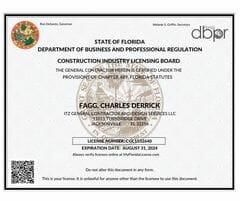
ITZ Construction is a licensed Florida general contractor (CGC1525590) serving Jacksonville, Deltona and the surrounding areas. Request a free estimate online, or call our Jacksonville office at 904-469-8310 or our Deltona office at 407-552-6217.