Deltona 407-552-6217 Jacksonville 904-469-8310
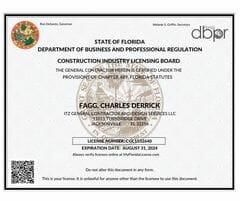
License# CGC1525590

Maintenance & Value

What materials are best for my Florida fence and deck?

Choosing the Right Materials for your Florida Fence and Deck

When you’re in the market for a new fence or deck, there are many different materials to consider. The right material for your Florida fence and deck can make a big difference in terms of durability, maintenance, and aesthetics. Choosing the right type of material can also ensure that your fence or deck is structurally sound and that it will last for years to come.

Some of the best options for wood fences include cypress, cedar, and teak. These choices are a great choice for Florida properties because they provide natural resistance to the elements and insects, as well as long-lasting beauty. Cypress and teak both have natural oils that can prevent fungal decay, which is a common cause of rot in wooden structures.

Oakwood is another excellent option for wooden fences, as it is highly durable and can stand up to many types of weather. This type of wood has a distinctive look that features prominent grain patterns and colors. It can even darken over time to achieve an amber color, adding a touch of elegance to your home’s landscape. Oakwood is relatively easy to work with, making it a good choice for DIY fence projects.

Cedarwood is a softwood, which means it’s easier to work with than some other types of wood. It’s also a great choice for fencing, as it resists rot and insect infestations. It’s also very attractive, with a beautiful reddish hue and a pleasant scent. Cedarwood is more expensive than other types of wood, but it’s worth the investment as a high-quality fence can last for decades.

Pine is a less-expensive alternative to cedar, and it’s also a good choice for building fence posts. It’s durable against rot and termites, and it holds nails and screws well. It’s important to choose the right type of pine for your project, however, as not all varieties are created equal. Some types of pine are prone to rot, and others do not have the necessary durability when it comes to soil contact.

Composite wood is an eco-friendly option that combines recycled wood with plastic polymers. This type of fencing is more affordable than cedar or vinyl and is resistant to fungus, which is a common cause of wood rot. However, it’s important to choose the highest-quality composite wood available to avoid warping or rotting over time.

If you’re looking for the best materials to use for your florida fence and deck, be sure to speak with a professional. A reputable company can help you select the right materials for your needs and provide expert installation. They can also advise you on how to maintain your fence or deck to extend its lifespan. A professional can help you save money and time by avoiding mistakes that can be costly in the long run. For more information, visit https: https://www.itzconstruction.com/fences-and-decks/

Florida Fence and Deck Ideas for Your Home

Staining Your Fence and Deck

A Florida fence and deck are essential elements in maximizing your backyard space. They provide a comfortable place to entertain, cook out and bbq with friends or family.

Staining helps protect your deck and fence from weather damage, while managing to maintain their natural appearance. Moreover, staining is much more cost efficient than painting.

Staining

Staining your fence and deck can add a beautiful aesthetic to your home. It can be done in a variety of natural wood tones, as well as a wide range of colors. It protects your deck and fence from weather damage and enhances curb appeal.

When it comes to staining, choose a high quality oil based stain. This type of stain uses penetrating oils that allow the wood to breathe and wick moisture away. This protects your deck and fence from mold, mildew, and fungus.

The best time to stain a deck or fence is in the shade or during cooler hours of the day. Attempting to stain in direct sunlight can cause the stain to dry too quickly, leading to patchy and uneven absorption. You should also follow the stain manufacturer’s instructions for proper application techniques and drying times. This includes refraining from touching or walking on the stained surface during this designated period.

Painting

Using the right stain on a wood deck or fence can help it last longer. Stain protects the wood from moisture and other elements, and it also enhances its appearance. There are several different color options to choose from.

The best stain is a linseed oil-based solid or semi-transparent stain. It gives the wood back its protective skin, which was stripped away during the lumbering process. It also supplements and replaces the natural oils the wood has lost.

Besides staining, it is important to keep your deck clean and clear of debris. Debris can trap moisture and create a staging area for wet rot and termites. To prevent this, move your planters and remove leaves and other items regularly. You should also keep your deck away from the house to avoid water seepage and moisture damage.

Maintenance

The wood in your fence or deck requires protection against the elements. Direct sunlight can bleach it, leaving behind a weathered gray appearance, and rainwater can cause it to rot, mold or mildew. A fresh coat of stain is the best way to protect your exterior wooden features and give them a vibrant, beautiful look.

Then, once it is cleaned, apply a waterproof sealant to prevent water damage and prolong its life. Be sure to use a waterproof product that is also mildew and mold resistant.

Decks and fences that aren’t secure can pose a risk for children and pets. Staying on top of maintenance tasks like sanding, staining, and painting can help keep your kids and pets safe around them. Florida weather is harsh so staining or painting your deck to seal it essential for longevity.

Installation

A beautiful fence and deck enhance your property and create a background for your landscape, garden and landscaping. They are also an affordable way to add value to your home. A well-built and maintained deck or fence can last 20+ years and is a great place to spend time with family and friends.

Before construction begins, check with your city hall building department to see if a permit is required and to ensure that your plans meet municipal building regulations. Also, look for any trees or shrubs that need to be trimmed back or flattened before you begin construction.

A wood or composite deck is a structure that is built on a raised platform off the ground and attached to your house. They can be used for grilling, relaxing, entertaining or catching some rays. For the best installation, choose a durable and low-maintenance material such as Bufftech vinyl. This will provide you with maximum beauty and privacy without the hassle of regular staining or sealing.

ITZ General Contractor and Design Services can help with all your Florida Fence and Deck Needs. We will work with you to make your yard a dream oasis. Call us today!

What sheen for exterior paint?

The paint sheen you choose plays a big part in both the appearance of your exterior and its durability. Learn about sheens to make sure you’re getting the most out of your paint and your money!

The exterior of your home faces major stresses like rain, snow, UV rays and physical wear. Finding the best sheen for your needs will save you from having to repaint in the long run.

Flat

Flat paint is great if you are going for a modern look on fiber cement or masonry siding and it works really well with brick. It is hard to clean though and it fades and wears faster than a shinier finish.

Satin or eggshell is our most popular choice for exterior paint. It has a little bit of sheen and is easy to clean but holds up better against fading or mildew problems than a flat paint. It’s also very durable for the Treasure Valley climate and can stand up to a lot of weathering.

The sheen in satin or eggshell paint helps hide imperfections in the surface of the wall or trim that you are painting. It also highlights architectural details and is a good choice for the doors and trim on your home.

Glossy paint is excellent for highlighting accent trim and door or window frames but it doesn’t hold up as well against fading or mildew as a satin or eggshell sheen. It is not recommended for walls or large areas of your home.

Satin

Choosing the right sheen is just as important as picking the right paint color. The right sheen will protect the paint from UV rays and make it easier to clean and resist dirt and moisture. The sheen also helps hide surface imperfections. There are a few different sheen levels: flat, eggshell, satin, and semi-gloss.

Flat paint has the lowest sheen of all the options. It looks luxurious and is perfect for walls that will get smudgeed frequently. It is easy to touch up and can help conceal minor surface imperfections. However, it is not durable and will require frequent repainting compared to other sheens.

Eggshell is a bit more durable than flat but not as glossy as satin. It is a popular choice for doors, trim, and shutters. It is more durable than satin and holds up well to smudges and moisture. It will need to be repainted more often than other sheens but is still the best choice for areas that will need to be washed.

Satin has a small amount of sheen and is the most common exterior sheen. Most factory finished siding products ranging from fiber cement and cedar shake to vinyl and Azek come in a satin finish. It is a great option for walls and doorways as it has just enough sheen to be easily cleaned and protected from the sun’s UV rays.

Semi-Gloss

In the Boise area we have a lot of sunshine that can damage exterior paint with UV rays. Finding the right sheen will help protect your home and make it last longer so you don’t have to repaint as often. Choosing the proper sheen for trim, doors and shutters is just as important as selecting the correct color.

Paint sheen has a big impact on how well it holds up to moisture, dirt, cleaning and the overall appearance. There are four different sheens that professional painters use on exterior surfaces and each works best on specific types of materials and styles of homes.

Satin/Eggshell is a versatile sheen that’s good for walls that get washed and also for the more durable surfaces like trim, shutters and window frames. The slight sheen makes it easier to clean and stand up to the elements.

Semi-Gloss is a shinier finish that’s great for high traffic areas like door and trim details. It’s also easy to clean and is more water resistant than satin or eggshell. We don’t recommend gloss for siding as it magnifies surface imperfections and can be difficult to touch up.

Give us a call to help with all your painting needs. ITZ

How to measure for an exterior door

Many homeowners want to install a new exterior door for aesthetics or for security reasons. Before purchasing a new door, it is important to know how to measure for it accurately.

Start by measuring the opening width in 3 locations and use the largest measurement as your door size. Then, measure from the sill to the top trim and compare this measurement to a standard pre-hung door with brick molding trim.

Measure the Width

Before you buy a door, make sure you know the width of your existing opening. Using a pry bar or a stiff blade putty knife, remove the trim from around the one side of your frame so you can measure the width. Take the measurement at three points: top, middle and bottom, excluding brickmould. If the measurements vary, use the largest number as the width of your opening.

Next, you’ll need to understand the height of your existing doorway opening. Run your tape measure from the bottom left to the bottom right, recording each measurement. If there are variations, choose the longest dimension. This will give you a good idea of the standard door size that will fit in your space. If you’re replacing your door, add two inches to the widest and tallest dimensions so you have enough room for installation and trim. Often, older homes do not conform to standard door sizes. This is when made-to-measure doors are required.

Measure the Height

You will want to take two different measurements for the height of the door, one towards the bottom and one from the top. Again, you should not include the frame in these measurements, only the space that is built into your brick opening that will fit your new door. If you have sidelights, it is important to remember that these sit within this space and are not part of the door itself.

Measure the height in several places around the door and record the largest number as your final measurement. If you are replacing an existing door, be sure to note whether the hinges are on the left or right side of the frame and what type of floor covering is in the area.

Once you have these basic measurements, you can cross-reference them with the rough opening requirements for your new front door to ensure a proper fit. Be sure to gently remove any interior trim in order to get accurate measurements.

Measure the Thickness

There are a number of things to consider when choosing a new door for your home. In particular, you need to ensure that the new door will fit your existing frame. To do this, you will need to take a few measurements.

First, you will need to measure the width of the opening. To do this, you will need to extend your tape measure from the edge of the door jamb on one side to the adjacent wall stud. Then, you will need to repeat this measurement on the other side of the frame.

Finally, you will need to measure the height of the opening. To do this, you’ll need to extend your tape measure from the bottom of the sill up to the top of the trim on the frame. Repeat this process on the left and right sides of the frame, and take the largest measurement as your door height. This will ensure that the new exterior door fits in your brick opening.

Measure the Rough Opening

If you’re replacing an existing door, start by measuring the rough opening size. Use a tape measure that has clearly marked measurement markings. It’s best to measure with a new tape measure because the markings on old ones may have been scratched off by previous use.

This measurement should be taken between the door studs found on either side of the opening. Make sure to add in the width of any exterior casing or trim. You will need these dimensions to order a prehung door with brick mold that matches the siding of your home.

Also, you will need to know whether the door swings left or right. This is important because the doorjambs will need to be adjusted accordingly. This is because a right-hand door requires a greater gap in the frame than a left-hand door. A professional installer can take care of this for you, but if you’re going to do it yourself, you will need to measure the gap.

ITZ Construction can help with all your exterior door needs.

How To Clean A Concrete Patio

If you want to clean your concrete patio, there are many different methods you can use. Whether you’re dealing with grease stains, mildew or algae, there are a few ways to get your patio clean and looking its best.

The first thing you need to do is remove any furniture, grills or plants that are sitting on your patio. This will make it easier to clean and give you more room for the cleaning solution.

Bleach

Bleach is a safe and effective way to clean concrete patios. It disinfects the surface and removes unwanted stains, such as mildew and moss.

Bleaches can be used on their own, with detergent or mixed with water to form a cleaning solution. They are also effective in removing black mold and mildew from concrete surfaces.

When diluted, bleach can also be used to remove rust stains. Just mix a few drops of bleach with water and spray on the area to clean it.

Then, scrub the spot using a push broom. Let it sit for about 15 minutes before rinsing it off with a garden hose.

When working with bleach, it is important to wear rubber gloves and protective eyewear. This is because it can cause irritation if you inhale the fumes.

Hydrogen Peroxide

Concrete is an ideal choice for patios, but it can get dirty over time. Debris, spills and weeds can stain the surface.

When this happens, its time to clean it. One good option is to use a bleach-based solution to remove these stains.

Hydrogen peroxide is a bleaching agent that is safe for plants and works well to whiten stained concrete. When mixed with dish soap and baking soda, it can remove a wide range of stains from patios.

To clean a concrete patio with hydrogen peroxide, you’ll need a bucket or spray bottle and some protective eye gear. After mixing the cleaning solution, spread it out on your concrete patio and leave for 15 minutes.

Baking Soda

Baking soda is an excellent natural cleaner for concrete patios. The slightly abrasive nature of the baking soda combined with water helps break up dirt and grease.

Mixing one part baking soda with one part water is a gentle cleaning solution, while mixing it with distilled vinegar can dissolve tough stains and grease. For a more powerful cleaning solution, add a little bleach to the mixture.

To remove rust stains from your concrete patio, apply a paste of hydrogen peroxide and baking soda to the stain. Allow the solution to sit for about 20 minutes. Scrub the area with a wire brush until the stain is gone.

You can also use baking soda as a mild fertilizer for garden plants. A solution of 1 tablespoon of baking soda to two quarts of water feeds hydrangeas, geraniums and begonias. It lowers the soil’s acidity to encourage blooms. It can also help tomato plants fight black spot fungus.

Vinegar

Vinegar is a natural, all-purpose cleaner and one of the best spots and stain removers for concrete. It also helps prevent stains and discoloration from occurring.

The vinegar-water solution can be applied with a brush or mop to clean a patio’s surface. Allow the mixture to sit for about 15 minutes before rinsing it off.

Bleach is another good way to remove mildew and moss from concrete. However, it can be harmful to nearby plants and weeds so use sparingly.

Baking soda is a good alternative to bleach and it can also be used to clean concrete. The abrasive texture of baking soda gives it the scrubbing power to break up dirt and grime.

White distilled vinegar is the most recommended type for cleaning concrete. It doesn’t contain any coloring agents so it won’t stain the surface.

Cleaning your concrete can be done yourself or call your general contractor Jacksonville Fl to help!

How Much Does Fencing Cost

If you’re thinking about installing a fence on your property, it’s important to know how much fencing costs. The cost depends on the material, style, and height of the fence you want to install.

Wood fencing is a popular choice for many homeowners. It’s durable and comes in a variety of styles and colors. However, wood can be costly to maintain and requires frequent repairs or replacement.

Cost of Materials

Fencing costs depend on the type of fence, its length and height, and the materials used to build it. The materials you use can range from wood to aluminum and vinyl, and the cost of the project will depend on your budget and the contractor you hire.

The cost of fencing also depends on the size and shape of your property, which will determine how much lumber is needed and how much labor is required to construct it. The amount of time it takes to install a fence will also impact the total price of the project.

The most popular fence material is wood, which can range in price from $15 to $33 per linear foot depending on the type of wood you choose. Cedar is a common option, and it can last for years when properly treated with oil or preservatives. It is resistant to moisture, rots, and insects.

Cost of Installation

Adding fencing to your home is a great way to increase the value of your property, protect your belongings and keep your pets safe. Installing a fence is also an easy and cost-effective way to add curb appeal and make your house more inviting.

The installation cost of a fence depends on the materials used and the size of the project. The average price for a basic, standard-size fence ranges from $1,667 to $4,075, with labor and materials costs accounting for about half the total cost.

Wood is a popular material for fencing, as it is affordable and long-lasting. It can be stained or painted to suit your personal style.

Aluminum is another common metal choice, as it is lightweight and low in maintenance. However, it can dent more easily than iron.

Fencing installation is also affected by the terrain of your property. If the ground is rocky or sloped, you’ll need to build extra protection around your fence posts. Additionally, if there are existing features in your landscape that could block the path of your fence, you’ll need to remove them.

Cost of Permits

Before you start work on your new fence, you should know how much it will cost to obtain a permit. A building permit will ensure that your new fence is built according to local codes and zoning.

Permits vary by area, so check with your local city or county for information about the requirements. They can also provide an online fee schedule that outlines costs by project type and size.

In addition to permitting, some municipalities require inspections after construction is complete. These inspections are often done by a local building inspector.

If you’re working on a large project, such as a room addition or remodeling your kitchen, the cost of permits will depend on the total size and value of the project. Contractors typically include permit fees in their final estimates, so you can budget accordingly.

Cost of Removal

Removing a fence can be a labor-intensive and expensive task. This process requires specialized tools and a means to dispose of the materials.

The cost of removal can vary by the type of material used. For example, chain link fences are often easier to remove than wooden ones.

Also, the location of the home affects the overall cost. Generally, costs in rural areas are lower than those in more urban areas.

Another factor that can increase the cost of fence removal is the presence of concrete footings. This cement is typically used to anchor the posts into the ground and can be difficult to remove.

Usually, contractors will include removal fees in their linear foot rates. It is important to ask if these fees are included or not.

ITZ General Contractor and Design service is a great choice for all your Florida fence and deck needs.

Scroll to top
ITZ license